

Savannah is celebrated as one of America’s most haunted cities — but among the restless spirits and midnight whispers lies a secret history even many locals don’t know. Beneath the genteel charm, this city was once a hotbed of spies and espionage, where coded messages passed between trembling hands and conspirators met by lantern-light behind tavern doors. And where there were spies, there were often tragedies — and, as many believe, ghosts that linger to this day.
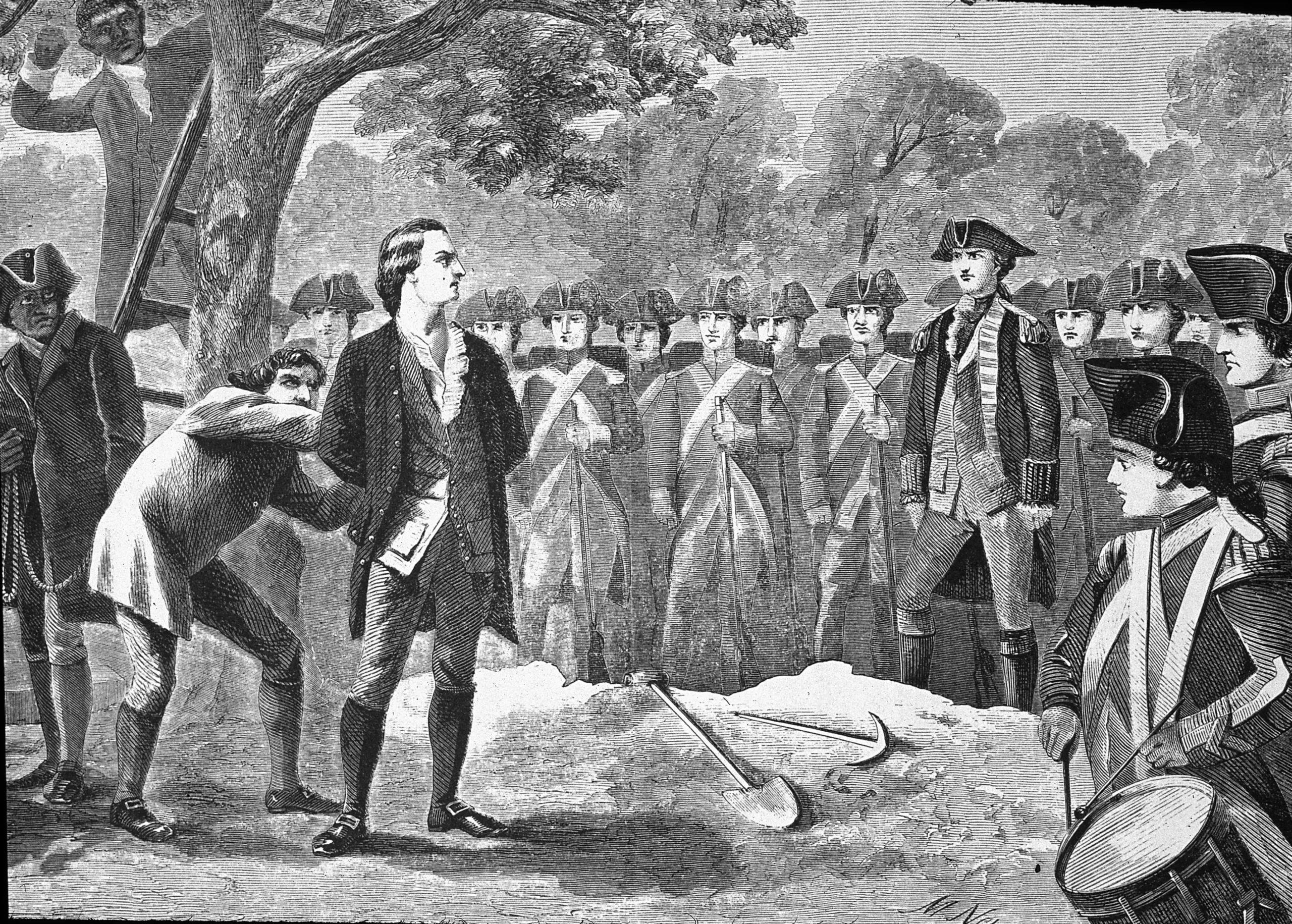
Picture a balmy Savannah evening: the gas lamps flicker, Spanish moss sways, and in the hush you might hear faint footsteps that don’t quite belong to the living. As a historian, paranormal researcher, and your guide here at Destination Ghost Tours, I invite you to step into the shadows. From the Revolutionary War, when Savannah was a young colonial port caught between Patriots and Redcoats, to the Civil War, when blue and gray cloaked the city in suspicion, we’ll explore secret agents, double-crosses, and the spectral sightings they left behind. Keep your wits about you — the ghosts of Savannah’s spies are waiting around the next dimly lit corner.
Revolutionary Spies in the Colonial City
Savannah in the 1770s stood at the crossroads of empire and revolution. Its brick-lined streets and quaint squares, today so picturesque, were then a hive of whispered conversations and wary glances. As the colonies inched toward rebellion, Georgia was fiercely divided between Patriots and Loyalists, and everyone was suspect. Consider Tondee’s Tavern, where the Sons of Liberty met: by day it served ale and stew, by night it hosted secret talk of independence — and one can easily imagine a Loyalist sympathizer nursing a drink in the corner, straining to overhear. Royal Governor Sir James Wright, the King’s man in Georgia, kept informants watching the rebel leaders, and in a town this small, news traveled fast — especially if someone was paid in gold to carry it.
Even ordinary folk could find themselves tangled in espionage. A passing comment at the market about a powder shipment, or a letter opened by the wrong eyes, might tip the balance between trust and treason. British officials cast special suspicion on Irish servants, a local prejudice rooted in fears they’d side with Catholic Spanish Florida to the south. To live under that scrutiny was to feel every glance over the shoulder, every unexpected visitor, as a threat.
The 1778 Betrayal: How Savannah Fell to the Redcoats

By 1778 the war blazed up north, but Georgia had seen little fighting — until that December, when the British set their sights on Savannah. Lieutenant Colonel Archibald Campbell landed south of the city with an expeditionary force, and General Robert Howe hastily formed an American defensive line just outside town, believing he had the main roads covered. But Campbell had help. Contrary to the story often told on tours, the guide’s name is not lost to history: accounts record him as Quamino (given in some sources as Quamino Dolly), an enslaved man said to have come from Governor Wright’s own plantation. He told Campbell of a hidden path through the rice marshes that could outflank the American defenses, and offered to lead the way.
And so, on a humid late-December afternoon, a column of red-coated regulars followed their guide into the mucky, mosquito-infested swamp, wading silently beneath dripping Spanish moss. As the story goes, one British officer climbed a gnarled live oak for a better view and spotted the trail emerging behind the American lines, right at the unguarded rear of the Patriot camp. With a wave of his hat as a signal, the British burst from the swamp and charged the Americans from behind. The battle on December 29, 1778, was quick and chaotic. Caught off guard, the Patriot line collapsed — dozens were killed or drowned in the dark wetlands as they fled, over 450 were taken prisoner, and the British lost only a handful of men. Savannah fell under the Union Jack once more, and the Patriots were left wondering which of their neighbors had sold them out.
Ghostly legend has it that on foggy nights in the swamps beyond west Savannah, you can still hear the muffled cries of drowning men over the marshes. A few locals even claim to have seen a lone spectral figure near the old battlefield’s edge — a man in tattered colonial garb, holding a lantern and weeping. Some believe it is Quamino himself. Did he ever gain the freedom he was promised? History doesn’t clearly record his fate. If his spirit lingers, one has to wonder: is he mourning the Patriots whose deaths he caused, or crying for his own uncertain chance at freedom?
The 1779 Siege and the Ghosts of the Lost Army
With Savannah under occupation, the city became a British garrison town — and spies grew more vital than ever. In the autumn of 1779, a massive Franco-American army arrived to lay siege: French troops under Count d’Estaing, free men of color from Saint-Domingue (Haiti), and American Continentals, all united to liberate the city. For weeks they dug trenches and bombarded the British lines while both sides leaned on intelligence — American scouts probing the fortifications, British sentries watching for any local signaling with a lantern from an attic window.
On October 9, 1779, the allies gambled on a daring pre-dawn assault on the Spring Hill Redoubt — and it became one of the bloodiest, most futile charges in American history. British and Hessian defenders poured grapeshot into the charging masses. Among the fallen was the gallant Sergeant William Jasper, mortally wounded trying to plant the colors, and the Polish cavalry commander Count Casimir Pulaski, struck by grapeshot and carried off to die of his wounds days later. By sunrise nearly 1,000 Allied soldiers lay dead or wounded, against perhaps 150 British. The siege failed, and Savannah would stay in British hands until the war’s end.
Is it any wonder the battleground has spawned some of Savannah’s most enduring ghost stories? The Jasper Monument today stands in Madison Square — a commemorative marker rather than the exact spot of the fighting, which raged at the Spring Hill Redoubt to the west — yet legend has long held that a mass grave of siege casualties lies somewhere beneath or near the square. People crossing Madison Square at night report sudden cold spots, or the sense of something rushing past, and now and then a figure glimpsed from the corner of the eye: a man in a disheveled Revolutionary uniform, running as if into battle, gone when looked at directly. Many identify him as Jasper himself, still fighting the charge that killed him. Over in Monterey Square, where Pulaski’s grand monument stands (his remains were exhumed from beneath it in the 1990s, studied, and reinterred), late-night pedestrians have described a courteous stranger in an old-fashioned military cape, speaking with a European accent, who politely inquires about the war — then tips his hat and fades away.
Espionage Behind British Lines — and Liberation
After the failed siege, the spy games only intensified. From 1779 until 1782, Savannah was a critical British stronghold, and the war in the South became a brutal civil war of skirmishes, espionage, and reprisal. Any remaining Patriot sympathizers kept their heads down, some playing dangerous double roles — outwardly cordial to the British, secretly aiding the rebels. Women, presumed by the era to be innocent non-combatants, often made the most effective agents; legend tells of a shopkeeper’s wife who sewed intercepted troop movements into the hems of coats. Enslaved African Americans also played a pivotal, perilous role: an enslaved man serving wine at an officer’s dinner might note the maps on the table, then slip out under darkness to deliver what he’d learned to a Patriot agent waiting by the river.
Paranoia ran deep. One dark tale involves a young clerk-turned-double-agent remembered only as Collin, who left dispatches at a dead drop — a loose brick in a warehouse on Factor’s Walk — until Patriot partisans caught him one foggy night. He was never seen alive again, and whispers held that he was hanged from an oak or drowned in the river. Whether or not Collin was real, more than one spy of both loyalties met the noose in Savannah, and Wright Square — the old site of public hangings — carries much of that restless lore. Beyond the famous ghost of Alice Riley (hanged in 1735, for a crime unrelated to any war), people describe the fleeting image of a young man dangling from a branch on misty dawns, gone when approached. When you walk Wright Square at night, listen closely — you might catch the faint creak of rope in the breeze.
By 1782, the war had turned. Following the British defeat at Yorktown, the Crown evacuated Savannah that July, ending nearly four years of occupation, and the Patriots rode back in triumph — eager to root out those they saw as traitors. Hurried tribunals judged collaborators, and legend insists at least a few accused informants were executed. One grim tale tells of a Loyalist woman, caught fleeing in disguise with incriminating letters, taken to the edge of town and shot beneath a live oak. To this day, some say a sorrowful female apparition in a tattered colonial dress wanders the oaks near what is now Forsyth Park — not malevolent, just terribly sad. The Revolution left Savannah a haunted legacy: the hanging-tree phantoms of Wright Square, Jasper’s vigilant spirit in Madison Square, Pulaski’s caped figure by his monument, and the restless shade of an executed informer — joined by countless unnamed others.
Civil War Shadows: Confederate Spies & Blockade Runners

Fast-forward some eighty years. By 1861 the nation had split, and Savannah — a rich cotton port and gateway to the Atlantic — was a prize the Union longed to capture. Where something is valuable in wartime, spies come slinking out of the woodwork. One of the most fascinating characters to tread these streets was James Dunwoody Bulloch, a Savannah-born naval officer turned Confederate secret agent in Europe, who clandestinely arranged the purchase of ships and arms for the South. In late 1861 he loaded a fast British steamer, the Fingal, with Enfield rifles, cannon, and ammunition, and ran the Union blockade into Savannah — navigating the maze of tidal creeks he’d known since youth to slip past the Federal warships prowling the coast. The city hailed him as a hero. Trapped in port by the tightening blockade, the Fingal was later converted into the ironclad CSS Atlanta, which ran aground and was captured in 1863; Bulloch, by then back in Europe, went on to procure the famous raider CSS Alabama.
Savannah had plenty of homegrown subterfuge, too. Cotton bales could hide crates of rifles; at midnight, small rowboats slipped from hidden inlets to carry messages to blockade-runners waiting off Tybee Island. A warren of tunnels beneath Factor’s Walk — originally built for moving goods from the warehouses — acquired a sinister reputation as a route for contraband. Legend says two agents, one Confederate courier and one Union spy, cornered each other in that darkness one night and each killed the other; night watchmen along River Street still report footsteps echoing in empty tunnels, or the faint dueling whispers of men arguing where no one stands.

Even Savannah’s social scene had an undercurrent of espionage. At gaslit soirées, a charming lady at the buffet might quietly quiz an officer about troop movements and pass the answer to a telegrapher friend with Union contacts. Local lore remembers one such woman — call her the “Belle of Savannah,” since history left only fragments — rumored to be a double agent who sewed flags for Confederate soldiers by day and corresponded with a Union officer by night. She survived the war, never married, and in old age was often seen gazing toward the river with a faraway look. After her death, some swore they saw a woman’s silhouette at the upstairs window of her old house on moonlit nights, as if still waiting for a rendezvous that never came.
Union Sympathizers & Secret Agents
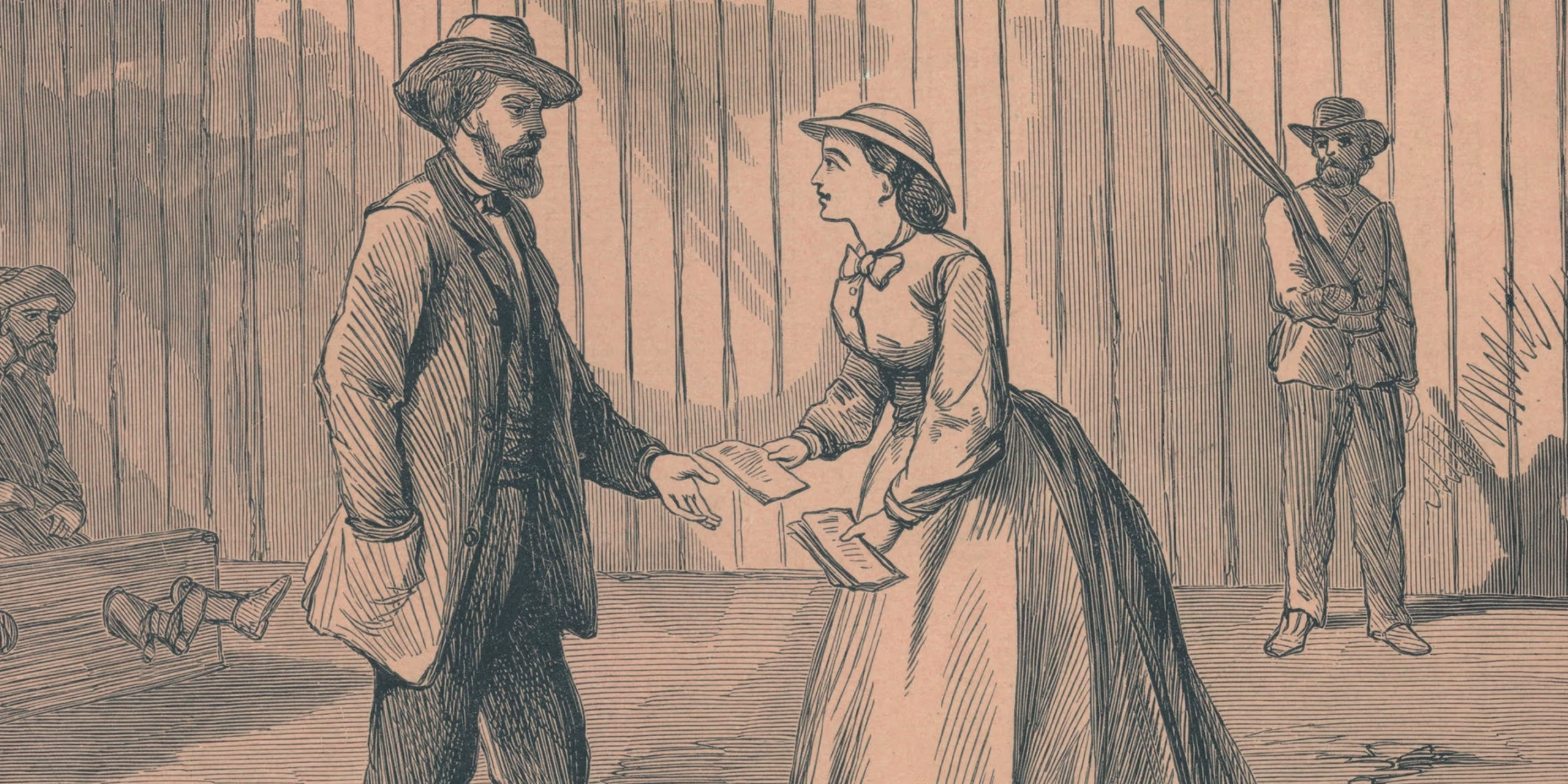
Not everyone in Savannah was a die-hard Confederate. There were Union sympathizers in the city throughout the war, and — as in the Revolution — enslaved and free African Americans again played an outsized, perilous role, hoping to aid the cause that meant their freedom. The most remarkable of them was March Haynes. Born into slavery in South Carolina and sold to a Savannah master in the 1850s, Haynes worked the river docks and piloted small boats, giving him intimate knowledge of the waterways. When the Union captured Fort Pulaski in April 1862 — freeing the enslaved laborers there — Haynes chose not to flee north but to stay and serve the Union as a spy and river pilot.
On dark nights, Haynes rowed from Union-held pockets into the marshes around Savannah, slipping past Confederate sentries to scout the forts and, again and again, to spirit enslaved people to freedom — a wartime Underground Railroad by water, with each escapee carrying fresh intelligence. His audacity nearly cost him his life: in April 1863 the Confederates caught wind of his activities and arrested him for “running off” enslaved people to the Union lines — a capital charge. An extraordinary stroke of luck saved him: not a single witness appeared to testify, and the court had to release him (one suspects silent sympathizers arranged the silence). Haynes then enlisted in the United States Colored Troops, survived the war, and returned to live quietly in Savannah into the 1890s — a hero in disguise. Some say phantom rowboats still glide near Fort Pulaski on moonlit nights, the dip of oars heard where no boat can be seen.
Another figure worth remembering is Susie King Taylor, who escaped slavery near Savannah and became a teacher and nurse for a regiment of Black Union soldiers. She was not a spy, but her memoir records how she and others carried refugees — and news — back to Union lines, and her footprints are woven through Savannah’s Civil War story. Inside the occupied city, Unionist locals used every trick to keep information flowing; one favorite anecdote tells of a woman who baked notes into loaves of bread, undone only when a hungry Confederate officer tore off a piece and found paper inside.
Civil War Ghosts of Savannah
When General Sherman’s army reached Savannah in December 1864, good intelligence shaped the end. Enslaved people who fled to his lines — the “Black Dispatches” — revealed Confederate positions and the viable approach past Fort McAllister, which his troops stormed on December 13. With the city surrounded, General Hardee slipped his entire army across the river on a pontoon bridge the night of December 20, and Union troops marched into an essentially surrendered Savannah on December 21, 1864. Sherman thought the city too lovely to burn, so its antebellum buildings survived — and, perhaps, the spirits within them.
Take the Marshall House on Broughton Street, a Union hospital in the war’s final months. During 1990s renovations, workers famously found human bone fragments under the floorboards — amputated limbs from wartime surgeries — and today it’s considered one of the most haunted hotels in the South, with guests reporting ghostly men in uniform in the halls, and one spirit said to be searching for his missing arm. The old Candler Hospital, with its centuries-old Candler Oak, served as a Civil War prison and hospital and is said to echo with moans from a “tunnel of the dead.” At Old Fort Jackson, a spectral sentry is said to vanish when challenged — some say the ghost of a soldier who accidentally blew himself up handling ammunition — while at Fort McAllister, the headless apparition of Major John Gallie, decapitated by a Union cannonball in 1863, is said to wander the earthworks at dusk.
One tale carries a direct espionage twist. In a house near Monterey Square, a secretly pro-Union family is said to have hidden a Union spy in the attic for weeks during the 1864 occupation. When the man fell ill and died in hiding, the frightened family quietly buried him in the basement — and ever since, occupants have reported footsteps on the attic stairs, faint coughing behind the walls, and a pale figure in Union blue at the foot of the bed. A soul who died in secrecy, it seems, may remain trapped by that very secrecy. The ghosts of Savannah, so often, are haunted not just by war but by secrets.
Savannah’s Living History and Lingering Spirits
Spies and ghosts share a kinship: both operate unseen, both shape outcomes in this world, and both captivate the imagination.
Today, visitors flock to Savannah for its beauty, its history, and yes, its ghosts — and the stories of spies and hauntings make the cobblestones speak and the old oaks whisper. Explore the historic sites by day and delve into the lore by night: stand in Wright Square where spies may have swung, tour Fort Pulaski and imagine March Haynes slipping into a rowboat under the stars, or peer into the Factor’s Walk tunnels and picture a deadly clandestine skirmish in the dark. The espionage element adds a special spice to Savannah’s haunted history — a reminder that the people who lived and died here were complex, daring, and utterly real.
From the scheming days of the Revolution to the high drama of the Civil War, Savannah’s history is a tapestry rich in intrigue, and its ghost stories are the immortal retelling of those intrigues, long after the original players have departed. Come tread where spies once trod. Stand in the silence of an old square where secrets were traded, and you might just sense a presence at your shoulder — a gentle breath, a faint whisper. Don’t be alarmed. It’s only Savannah’s past saying hello, reminding you that here, the veil between then and now is thin as a sheet of rice paper.
Tread Where Spies Once Trod
Hear the true stories of Savannah’s secret agents and the ghosts they left behind — after dark, where it all happened. Join us for a Destination Ghost Tours walk through the haunted Historic District.