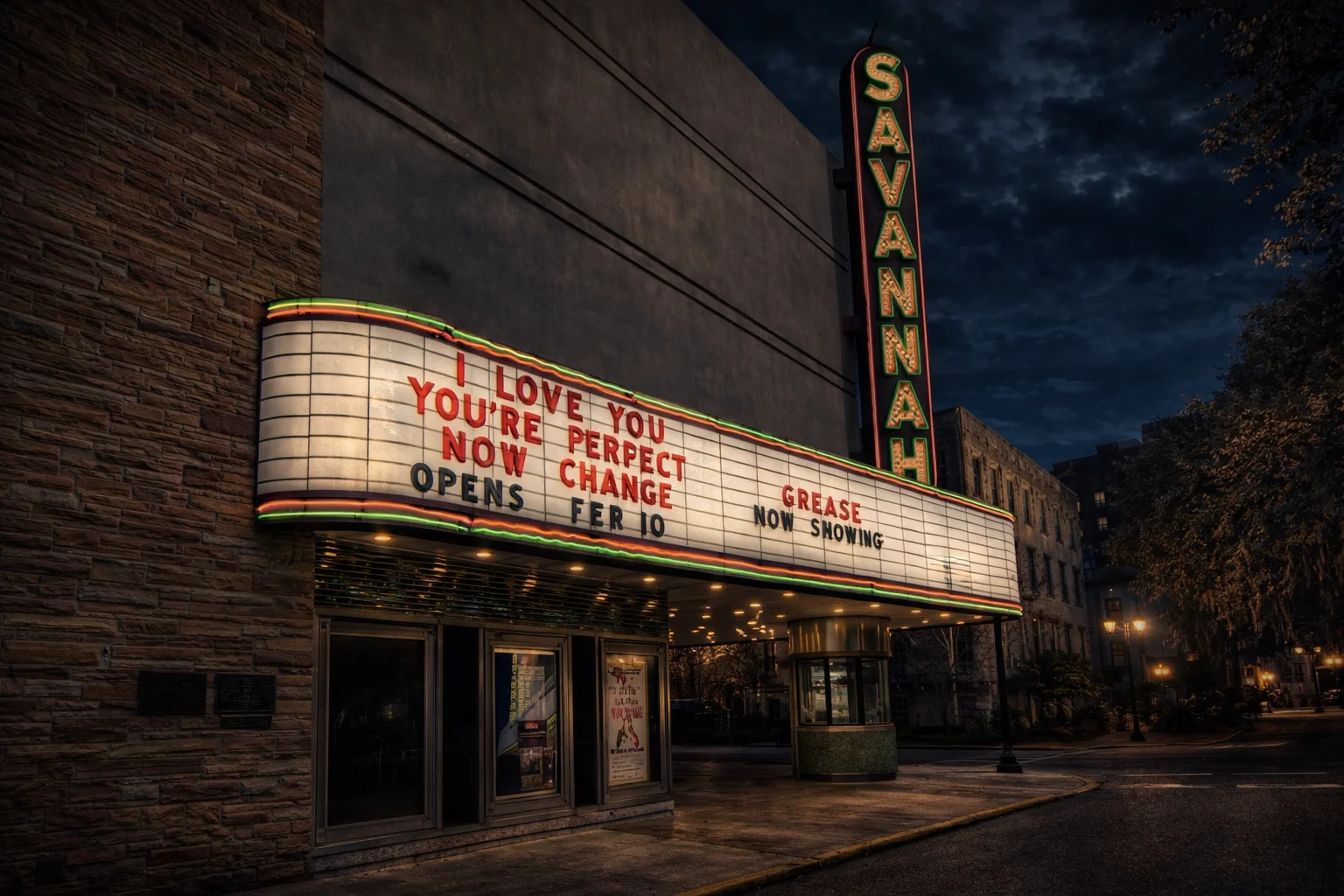
Join us on a Savannah Ghost Tour and stop by the old Savannah Theatre on Chippewa Square — one of the oldest continually operating theatres in the United States, and one of the most haunted stages in the South.
Few buildings in Savannah have witnessed as much life, death, triumph, and tragedy as this one. It has hosted world-famous actors and a baseball legend, survived hurricanes and repeated fires, and gathered more than two centuries of ghost stories along the way. The Savannah Theatre has stood on the same corner of Chippewa Square since 1818, and if the tales are true, some of its performers never took their final bow.
A Grand Opening in 1818
The Savannah Theatre opened its doors at 5:30 in the evening on December 4, 1818. It was designed by the celebrated British architect William Jay, working in the elegant Regency style — the same hand behind two of Savannah’s finest homes, the Telfair Mansion and the Owens-Thomas House. In fact, the theatre was among Jay’s earliest American commissions, raised on the northeast trust lot of Chippewa Square just three years after the square itself was laid out.

Opening night paired a comedy, The Soldier’s Daughter, with a farce, Raising the Wind, before a packed house. And here’s a charming detail that has survived the centuries: patrons complained bitterly that the ladies in the audience wore their hair piled so tall that everyone seated behind them struggled to see the stage! Some problems, it seems, are timeless.
The theatre quickly became the beating heart of Savannah’s cultural life. It changed hands several times in its first two decades — twice at auction — before a more stable company was organized and the theatre was formally incorporated in December 1838. For a stretch in the 1850s and 1860s it was known as the Athenaeum, and it even hosted moments of national consequence: in March 1861, on the eve of the Civil War, Confederate Vice President Alexander H. Stephens delivered a notorious address within its walls. Layer upon layer of history has accumulated on this single spot.
Fire, Curse, and the Lost Lucky Penny
If the Savannah Theatre is cursed, as some insist, then fire is the form the curse most often takes. The building you see today is not quite the one William Jay designed — disaster has reshaped it more than once.
First came the great hurricane of August 31, 1898, which tore sections of the roof away and flooded the auditorium. A fire in 1906 forced a major structural overhaul, giving the building a new brick facade trimmed with cast terra-cotta panels. Then, in 1948, a far more devastating fire nearly destroyed the theatre outright. The rebuilding that followed transformed it into the sleek Art Deco style visitors admire today, and it reopened its doors in 1950.
It is that 1948 fire that anchors the theatre’s most famous legend. During an early-20th-century remodel, workers opening up a section of old brick wall discovered a penny dated 1818 — the theatre’s birth year — sealed inside. Fred Weis, the owner at the time, took it as a talisman and carried the 1818 penny as a good-luck charm for years. Then, the story goes, he lost the penny while traveling in New York — and almost immediately afterward, the theatre caught fire in the blaze that nearly leveled it in 1948. Coincidence? On a ghost tour, we let you decide.
Lose the lucky penny, and the theatre burns. Coincidence?
Hauntings of the Savannah Theatre
The strange happenings began early. An 1895 newspaper interview with the theatre’s owner records several unsettling incidents that had already accumulated by then.

In one, he arrived to open the theatre one morning and found that a small fire had started overnight, burning a hole clean through the floor of a dressing room — and yet it had singed nothing else and had, apparently, put itself out. A fire that starts in a sealed, empty building, does no further damage, and extinguishes itself is exactly the sort of thing that gets a place a haunted reputation.
The same owner recounted that local police officers had reported hearing strange noises inside the theatre late at night. No official report was ever filed — because, by his account, the officers were too frightened to go in and investigate. Would you be brave enough?
Then there is the Green Room, a rehearsal space near the McDonough Street side of the building. A group of dancers changing costumes there were suddenly overcome by the sensation of being watched by something they described as a malevolent presence. The feeling was so intense and so unmistakable that they fled the room in a panic. To this day, performers and staff describe cold spots and the distinct impression of not being alone in that part of the theatre.
Perhaps the theatre’s best-known resident spirit haunts the balcony and the projection room above the audience. Witnesses have reported an apparition there over the years, widely believed to be a projectionist who died at the theatre and never left his post — still keeping watch over the house from the shadows at the back of the room.
Actors, an Assassin, and a Baseball Legend
For more than two centuries, some of the biggest names in entertainment have crossed this stage — and a few of the darkest names in American history brush against its story, too.
Most people know John Wilkes Booth as the man who assassinated President Abraham Lincoln. Fewer know that he came from a celebrated theatrical family. His older brother, the great tragedian Edwin Booth, played several engagements at the Savannah Theatre — including Shakespearean roles like Hamlet, for which he was famous — during appearances in February 1876. Whether John Wilkes Booth himself ever trod these boards is a tale often repeated on tours, though it remains unconfirmed by the record.

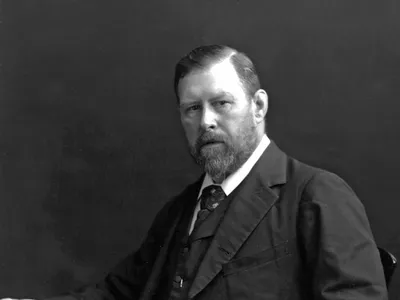
There is another literary shadow here as well. In January 1896, the legendary English acting duo Henry Irving and Ellen Terry performed at the theatre. Traveling with them as their business manager was a man named Bram Stoker — who, just a year later, would publish Dracula. It is a delicious thought that the creator of the world’s most famous vampire once walked the aisles of one of Savannah’s most haunted buildings.
The roll call of performers reads like a who’s-who of the 19th- and 20th-century stage. Among them:
- Sarah Bernhardt, the most famous actress of her age
- Edwin Booth, Fanny Davenport, Julia Marlowe, E. H. Sothern, and Otis Skinner
- Lillian Russell and Tyrone Power
- A young W. C. Fields, before Hollywood made him a household name
And then there is one of the strangest bookings in the theatre’s history. In November 1911, the stage hosted a production of The College Widow starring none other than Ty Cobb — yes, the baseball legend himself, trying his hand at acting in the theatrical off-season.
The theatre’s brush with fame continued into modern times. In 1993, it was leased to Paramount Pictures during the filming of Forrest Gump, serving as the wardrobe and makeup headquarters for the now-iconic bench scenes shot right across Chippewa Square — with Tom Hanks’ trailer parked at the far end of the very square the theatre has watched over since 1818.
The Theatre Today
The Savannah Theatre still sits exactly where it always has, on Chippewa Square, though it has had more than one face-lift over its long life. Behind its Art Deco facade, it remains a working theatre, hosting live musical productions and revues for audiences much like the ones who packed its seats in 1818 — tall hairstyles and all.
If you’re planning the rest of your visit, our Savannah city guide can help you fill out the day around it. But the best introduction to the theatre’s darker side is on foot, after dark. Join us on one of our Savannah ghost tours, then stop back by for a show. You never know — you may catch two performances in one night: one by the actors on stage, and one by whatever still lingers in the balcony.
Meet the Ghosts of the Savannah Theatre
The historic theatre is a stop on our walk through haunted Savannah. Hear its fires, its curses, and its restless spirits where the stories happened.
Book a Savannah Ghost Tour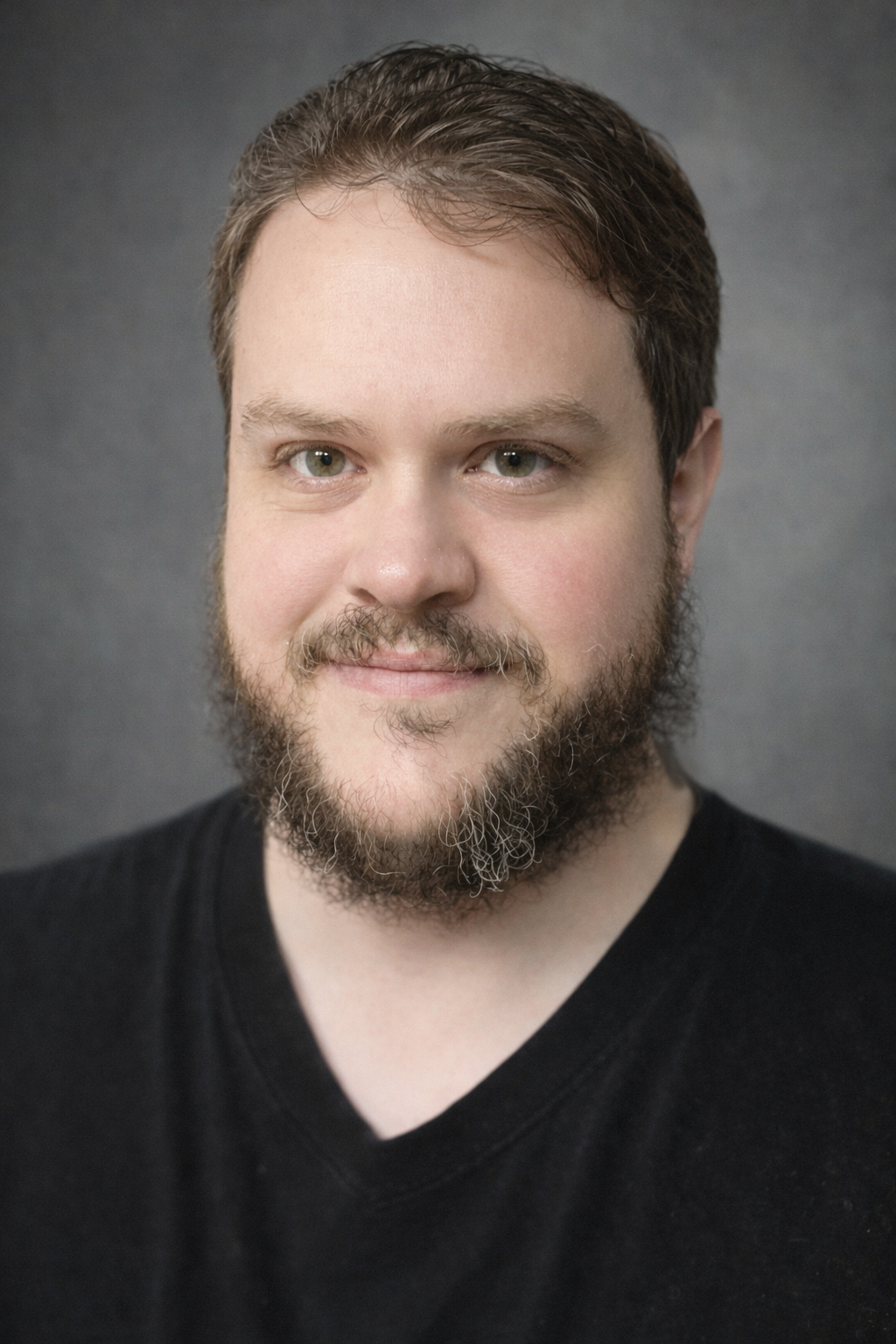
Chris Allen is the founder of Destination Ghost Tours, a historian and storyteller with a lifelong fascination for the darker corners of history. He spends his time uncovering the true stories behind haunted legends, guiding guests through historic cities, and chasing down details that refuse to stay buried. When he is not working, he can usually be found with his partner Arissa, their dog Bear, and their two cats, Trouble and Covu, photographing old places, digging through archives, or disappearing into historical rabbit holes. He believes the best history is honest, atmospheric, and just unsettling enough to linger.