
Savannah, Georgia is one of the most haunted cities in America — drawing ghost hunters, paranormal enthusiasts, and curious travelers eager to capture something unexplainable on camera. Whether you’re on a Savannah ghost tour or exploring the city’s historic cemeteries and mansions on your own, a little know-how can make all the difference in what you catch on film.

In this guide, we’ll share our best tips on how to photograph a ghost: the equipment to bring, the camera settings that work in the dark, the techniques that improve your odds, and how to review your shots afterward without fooling yourself. Let’s get started.
1 Use the Right Equipment
Capturing paranormal activity takes more than a quick snapshot. Modern phones are surprisingly capable, but dedicated ghost hunters often reach for specialized gear for better results in difficult lighting. Here’s what to consider:
- Full-Spectrum Camera — captures more than visible light, including the infrared and ultraviolet ranges that many believe spirits inhabit.
- Infrared (IR) Camera — built for low-light conditions, picking up anomalies the naked eye can miss.
- DSLR or Mirrorless Camera — manual control over shutter speed, aperture, and ISO gives you far better low-light photos than an automatic mode.
- Tripod — eliminates shaky hands and keeps your images sharp during the long exposures that dim locations demand.
- External Flash or Night-Vision Light — a controlled light source can illuminate a scene without blowing out the shot.
2 Choose the Best Locations in Savannah
Not every corner of the city is equally active. Savannah is full of haunted hotspots where sightings are reported again and again. To improve your chances, point your lens at these:
- Colonial Park Cemetery — one of the city’s oldest burial grounds, where visitors report shadow figures and strange light anomalies among the weathered stones.
- The Marshall House — used as a hospital during the Civil War, this historic hotel is known for reported apparitions in its hallways and guest rooms.
- The Andrew Low House — a ghostly butler and a rocking chair said to move on its own make this Lafayette Square mansion a favorite for paranormal photography.
- Wright Square — the colonial execution site tied to Alice Riley, whose restless spirit is said to linger.
- Factor’s Walk & River Street — once the heart of Savannah’s cotton trade, this stretch of cobblestone carries a heavy documented history, including the labor of the enslaved people who moved goods along the waterfront. Many visitors describe an uneasy atmosphere here after dark.
3 Adjust Your Camera Settings
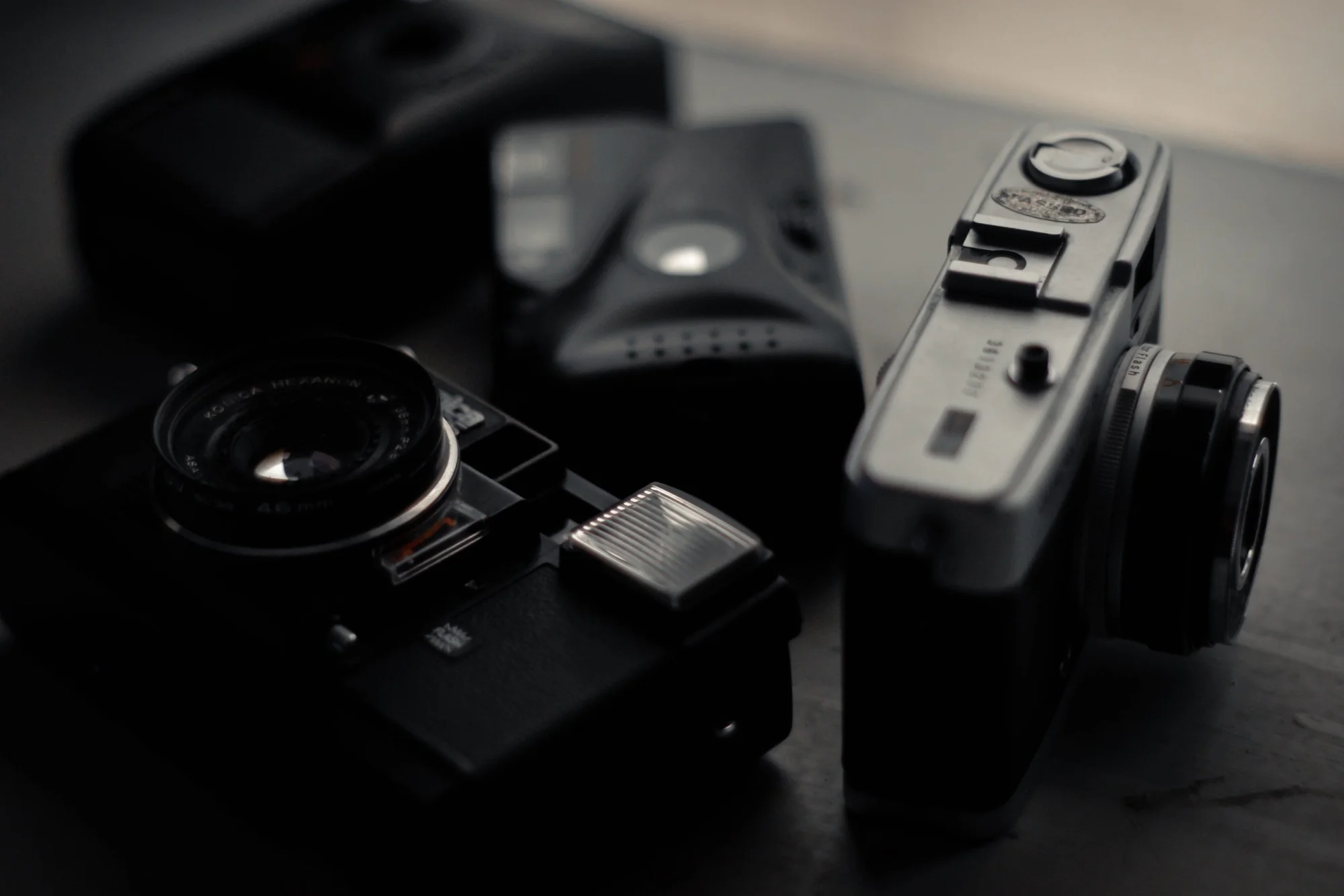
Ghost photography almost always happens in dim or nighttime conditions, so dialing in your settings is essential. These are good starting points:
- ISO — raise it to roughly 800–1600 for low light, but don’t push it to extremes, or your images will turn grainy.
- Shutter Speed — try a slow shutter (1–4 seconds) to let in more light and capture any motion blur that might reveal a moving figure.
- Aperture — keep it as wide as your lens allows (f/2.8 or lower) to maximize light intake.
- No Flash — a direct flash creates reflections and can obscure a legitimate anomaly. Rely on ambient or controlled light instead.
- RAW Format — shoot in RAW to preserve maximum detail for careful review later.
4 The Best Techniques for Capturing a Ghost
With your gear and settings ready, these field techniques will improve your odds:
Take Multiple Shots
Ghosts don’t always appear in a single frame. Use burst mode or fire off several photos in quick succession so you can compare frames and spot anything that changes.
Experiment with Long Exposure
A long exposure can record faint traces of light and movement the eye can’t see. If something appears blurred or translucent in one frame but not the others, it’s worth a second look.
Focus on Reflections
Mirrors, glass, and still water can reveal figures or distortions that don’t appear elsewhere in the scene. Keep an eye on reflective surfaces.
Be Aware of Temperature Changes
Many investigators report cold spots just before capturing something on camera. If you feel a sudden, unexplained chill, take a picture.
Look Beyond the Subject
Apparitions often turn up in the background rather than the center of the frame. Always scan the edges and corners of your shots for subtle shadows, mist, or faint outlines.
5 Reviewing Your Photos for Evidence
Once your outing is over, slow down and study your images carefully. Here’s what to look for — and how to stay honest about it:
- Orbs — spherical points of light often described as spiritual energy. Be careful: these are very frequently just dust, pollen, or moisture close to the lens.
- Ectoplasm or Mist — cloud-like formations appearing where there was no fog, smoke, or breath.
- Apparitions — partial or full-bodied figures that weren’t visible when you took the shot.
- Unexplained Shadows — especially shapes that don’t match anything in the surrounding environment.
Ghost photography is equal parts art, science, and patience — and a little luck never hurts.
6 Join a Haunted Savannah Tour
If you really want to capture a ghost on camera, there’s no better way than joining a Savannah ghost tour led by guides who know exactly where the activity tends to cluster. You’ll hear the city’s haunted history, its local legends, and firsthand encounters — all while standing in the prime locations for paranormal photography, at the time of night when they’re at their eeriest.
So whether you’re a devoted believer or a curious skeptic, bring your camera and put these tips to work. In the most haunted city in America, you never quite know what you’ll find waiting in the frame.
Bring Your Camera Into the Dark
Our guides know Savannah’s most active corners — and the best spots to point your lens. Book a Destination Ghost Tour and see what you capture.