
The Tormented Souls of Savannah’s Telfair Academy: How Georgia’s Oldest Art Museum Became Home to Centuries of Aristocratic Spirits
The marble floors of the Telfair Academy gleam under soft gallery lighting, reflecting centuries of footsteps—some belonging to visitors admiring the art, others to souls who never left. Built as a private mansion in 1819, this Regency-style masterpiece on Telfair Square stands as Georgia’s oldest public art museum. Yet for those who experience Savannah Ghost Tours, the building reveals itself as something far more haunting: a repository of aristocratic grief, unfulfilled dreams, and the lingering presence of a family whose tragedies became woven into the very walls they once called home.
The evening shadows that fall across the museum’s pristine facade cannot quite mask the weight of history contained within. Here, where priceless paintings hang in rooms once filled with the laughter and tears of the Telfair family, the boundary between past and present grows thin. The elegant staircases that once carried silk gowns to grand parties now echo with footsteps that staff members hear when the galleries stand empty.
This is not merely a story of a haunted building. It is the chronicle of a family whose fortune built one of Savannah’s architectural gems, whose personal tragedies left indelible marks upon the spaces they inhabited, and whose spirits—according to decades of witness accounts—have chosen to remain among the art and artifacts that now fill their former home.
The Rise of the Telfair Dynasty
Edward Telfair arrived in Georgia as a young man with ambitious dreams and the business acumen to achieve them. Born in Scotland, he established himself as one of Savannah’s most successful merchants and rice planters. His political rise proved equally impressive—he served as Georgia’s governor twice, first from 1786 to 1787, then again from 1789 to 1793. By the time of his death in 1807, Telfair had amassed considerable wealth and established his family among Savannah’s elite.
Edward’s son, Alexander Telfair, inherited both his father’s fortune and his position in Savannah society. It was Alexander who commissioned the construction of the magnificent Regency mansion that would become the family’s crowning achievement. Designed by English architect William Jay in 1818, the building represented the pinnacle of Neoclassical elegance in the American South.
William Jay’s Architectural Masterpiece
William Jay, barely twenty-four years old when he arrived in Savannah, brought with him the refined aesthetic sensibilities of Regency England. His design for the Telfair mansion incorporated elements that were revolutionary for their time in Georgia: octagonal rooms, curved walls, and an innovative use of natural light that flooded the interior spaces with an ethereal glow.
The mansion’s construction utilized the finest materials available. Marble imported from Italy graced the floors and mantlepieces. Intricate plasterwork adorned the ceilings. Every detail reflected the Telfair family’s wealth and Alexander’s determination to create something lasting—a legacy that would endure long after his death.
Jay’s design proved prophetic in ways he could never have imagined. The building’s beauty would indeed outlast its creators, but so too would the sorrows and secrets contained within its walls.
The Haunted Savannah Legacy of Mary Telfair
Mary Telfair, Alexander’s daughter, became the most significant figure in the mansion’s transformation from private residence to public institution. Born in 1791, she lived her entire life within Savannah’s highest social circles, yet her story carries undertones of isolation and unfulfilled longing that have contributed to the building’s reputation among those who explore The Haunted Savannah on guided tours.
Never married, Mary devoted herself to intellectual pursuits and philanthropy. She was well-educated, well-traveled, and possessed of a sharp mind that impressed even the most sophisticated visitors to the Telfair home. Yet those who knew her described a certain melancholy that seemed to deepen with age—a sadness that some say still permeates the rooms where she spent her final years.
A Life of Devotion and Solitude
Mary’s dedication to her family was absolute. When her parents aged, she became their primary caregiver. After their deaths, she remained in the mansion, managing the family’s affairs with meticulous attention to detail. Her correspondence, preserved in historical archives, reveals a woman of remarkable intelligence and sensitivity, but also one who felt the weight of duty and the constraints of her social position.
The mansion during Mary’s stewardship was a place of quiet elegance. She maintained the home’s original grandeur while filling it with books, art, and the musical instruments she played with considerable skill. Visitors often commented on the almost ethereal quality of the house—its perfect preservation of a bygone era, its silence that seemed to hold the weight of unspoken thoughts.
Mary’s death in 1875 marked the end of the Telfair family’s residence in the mansion. Yet according to local oral tradition passed down through generations, her departure from this world was not as complete as one might expect.
The Transformation: From Home to Museum
Mary Telfair’s will revealed the depth of her vision and generosity. She bequeathed the mansion and a substantial endowment to the Georgia Historical Society, with specific instructions that it be converted into a public museum and academy of arts and sciences. Her gift would ensure that the building she had loved and carefully preserved would serve the people of Savannah for generations to come.
The conversion process required significant modifications to Jay’s original design. Rooms that had hosted intimate family gatherings were opened up to accommodate galleries. Private spaces where the Telfairs had experienced their most personal moments became public areas where strangers would walk and whisper about the art on display.
Preserving the Past Within the Present
When the Telfair Academy opened to the public in 1886, it carried within its walls not just Mary’s art collection and the architectural genius of William Jay, but also the accumulated memories of nearly seven decades of family life. The museum’s early visitors often commented on the building’s unique atmosphere—a sense that they were not merely viewing art in a gallery, but walking through spaces that retained the essence of their original inhabitants.
This quality has never entirely faded. Modern visitors participating in Haunted Savannah Tours often remark on the building’s distinctive energy—a feeling that the transition from private residence to public space was never quite complete, that some essential part of the building’s identity as the Telfair family home persists beneath its current role as Georgia’s premier art museum.
Encounters with the Aristocratic Dead
The first documented accounts of unusual phenomena at the Telfair Academy emerged within a decade of its opening as a museum. Night watchmen reported footsteps in empty galleries, the sound of piano music drifting from rooms where no instruments were located, and the persistent sensation of being observed while making their rounds through the building’s maze of interconnected chambers.
These early reports established patterns that have remained remarkably consistent over more than a century. The phenomena associated with the building do not involve dramatic manifestations or frightening encounters. Instead, witnesses describe experiences that suggest the continued presence of individuals who lived genteel, cultivated lives—the kind of subtle hauntings one might expect from people who, even in death, maintain their social graces.
The Lady in the Long Gown
Museum staff and visitors have long reported glimpses of a woman in period dress moving through the galleries with purposeful grace. The figure, consistently described as wearing a long gown in the style of the mid-nineteenth century, appears most frequently in rooms that were once part of the family’s private living quarters.
These sightings occur most often during the museum’s quieter hours—early morning before the galleries fill with visitors, or late afternoon as shadows begin to lengthen across the marble floors. Witnesses describe a sense of recognition, as if the figure belongs so completely to the space that her presence seems natural rather than startling.
While no definitive identification can be made, the consistency of these accounts over decades, combined with the figure’s apparent familiarity with the building’s layout, has led many to associate the sightings with Mary Telfair herself—still tending to the home she loved, still ensuring that her family’s legacy receives the care and respect she believed it deserved.
Music from Empty Rooms
The sound of piano music has been reported in the Telfair Academy since the 1890s, always emanating from areas where no piano exists. The music, described by those who hear it as classical in style and expertly performed, typically lasts only a few minutes before fading away. Staff members have conducted thorough searches during these incidents, finding no source for the sounds and no evidence of mechanical or electronic devices that might explain them.
Historical records indicate that Mary Telfair was an accomplished pianist who often entertained guests with evening performances in the mansion’s main parlor. The music reported by modern witnesses matches descriptions of the style Mary preferred—elegant, technically proficient, and emotionally expressive pieces that reflected her refined education and sensitive nature.
The Paranormal Activity That Draws Savannah Ghost Tours
Contemporary accounts from museum staff, security personnel, and visitors have added new dimensions to the Telfair Academy’s reputation as one of Savannah’s most actively haunted locations. These reports come from credible sources—professional educators, art historians, and longtime Savannah residents—who approach the subject with appropriate skepticism while acknowledging experiences they cannot easily explain.
Temperature fluctuations occur frequently throughout the building, often accompanied by the scent of lavender or roses—fragrances that would have been common in the perfumes and sachets used by nineteenth-century ladies of Mary’s social standing. These olfactory phenomena appear most often in areas that were once Mary’s private rooms, particularly the space that served as her bedroom during the final years of her life.
The Protective Presence
Museum staff have noted that valuable artifacts occasionally appear to be moved or repositioned overnight, despite the building’s comprehensive security system. Rather than suggesting theft or vandalism, these incidents seem to indicate a protective concern for the collection’s welfare. Items are never damaged or displaced carelessly, but rather repositioned in ways that actually improve their preservation or display.
This protective quality extends to visitors as well. There are multiple accounts of people who have tripped or stumbled in the museum feeling as though they were steadied by unseen hands, preventing potentially serious falls on the building’s marble surfaces. These incidents occur most frequently near the main staircase—the same area where Mary Telfair spent countless hours during her lifetime, ascending and descending between the floors of her family home.
Emotional Imprints in Sacred Spaces
Visitors to the Telfair Academy often report sudden shifts in emotional state while moving through certain rooms. These experiences typically involve a profound sense of melancholy or longing, accompanied by the feeling that they are intruding upon someone’s private grief. The sensations are strong enough that some visitors choose to leave particular galleries, despite their interest in the artwork displayed there.
These emotional phenomena appear most frequently in areas that were once the most intimate family spaces—the former sitting room where Mary spent her evenings reading and writing correspondence, the area that served as her father Alexander’s study, and the rooms where elderly family members spent their final years under Mary’s devoted care.
Historical Context of Aristocratic Grief
Understanding the paranormal reports associated with the Telfair Academy requires consideration of the profound losses and disappointments experienced by the family during their residence in the mansion. The Telfairs lived through periods of tremendous social upheaval—the antebellum prosperity that funded their lifestyle, the devastation of the Civil War, and the challenging years of Reconstruction that followed.
Mary Telfair witnessed the gradual erosion of the world into which she had been born. The social structure that defined her identity, the economic system that supported her family’s wealth, and the cultural values that shaped her understanding of her place in society all underwent dramatic transformation during her lifetime. She spent her final decades as a guardian of traditions and ways of life that were disappearing around her.
The Weight of Preservation
Mary’s decision to transform the family mansion into a public museum reflects her deep understanding that she was living at the end of an era. Her careful preservation of the house’s original character, combined with her thoughtful curation of its contents, suggests a woman acutely aware that she was serving as the final link between past and future.
This responsibility may explain the protective quality that characterizes much of the paranormal activity reported in the building. If Mary’s spirit does indeed remain connected to the Telfair Academy, her continued concern for its welfare would be entirely consistent with the devotion she demonstrated throughout her life.
The building itself serves as a monument to the complexity of Southern aristocratic life—its beauty and elegance inseparable from the social and economic systems that made such luxury possible. This historical context adds depth to the ghostly encounters reported by visitors, suggesting that the building contains not just individual spirits, but the lingering essence of an entire way of life.
Modern Investigations and Witness Accounts
Contemporary paranormal researchers have found the Telfair Academy to be one of Savannah’s most compelling locations for investigation. The building’s combination of detailed historical records, consistent witness accounts spanning more than a century, and ongoing reports of unusual phenomena make it an ideal case study for those interested in the intersection of history and the supernatural.
Electronic voice phenomena recorded in the building have captured what appear to be fragments of conversation in educated, refined voices speaking about art, music, and the proper care of the museum’s collection. These recordings, while open to interpretation, suggest the presence of individuals who retain concern for intellectual and cultural matters even after death.
The Continuing Legacy
Temperature monitoring equipment has documented the sudden cold spots that visitors frequently report, particularly in areas that were once the mansion’s most intimate family spaces. These temperature drops occur without any identifiable mechanical cause and often coincide with the olfactory phenomena that have been reported since the building’s early years as a museum.
Photography within the museum sometimes reveals unexplained light anomalies that appear as soft, diffuse glows rather than the sharp orbs common in many alleged ghost photographs. These luminous effects most often appear in images taken near windows where Mary Telfair once sat for portraits, or in areas where family photographs show the Telfairs gathered for formal occasions.
What makes these modern investigations particularly intriguing is their consistency with historical accounts. The phenomena reported today mirror the experiences documented by the museum’s earliest staff members, suggesting a continuity of paranormal activity that spans more than a century.
The Enduring Presence of Savannah’s Aristocratic Past
The Telfair Academy stands today as more than just Georgia’s oldest public art museum. It serves as a portal to Savannah’s aristocratic past, a place where the refinement and tragedy of nineteenth-century Southern society remain palpable for those sensitive to such things. The building’s role in Savannah Ghost Tours reflects its unique position as a location where history, art, and the supernatural converge in ways that illuminate all three.
Visitors who approach the museum with knowledge of its history often find their experience of the art collection enhanced by awareness of the building’s original inhabitants. The paintings and sculptures take on additional meaning when viewed as additions to a space that Mary Telfair carefully curated as a bridge between her family’s private world and the public legacy she wanted to create.
The museum’s continued operation as Mary envisioned it—a place where art, history, and education converge for the benefit of the public—suggests that whatever presences remain in the building have reason to be satisfied with how their legacy has been preserved and shared.
A Living Museum
The paranormal activity reported at the Telfair Academy differs significantly from the more dramatic hauntings associated with some of Savannah’s other historic locations. The phenomena here reflect the character and values of the building’s original inhabitants—refined, protective, and deeply concerned with the proper preservation of beauty and culture.
This quality makes the museum particularly appealing to visitors interested in the more subtle aspects of Savannah’s haunted history. Those who participate in Ghost Tours in Savannah often find that the Telfair Academy provides a different type of supernatural experience—one that illuminates the complexity of the city’s past while demonstrating how the spirits of place can manifest in ways that honor rather than disturb the living.
The building’s architecture, with its innovative use of curved walls and natural light, creates spaces that seem to shift and change throughout the day. This quality, combined with the accumulated history contained within the rooms, produces an environment where the boundary between past and present naturally blurs—making it easier to imagine how the spirits of former inhabitants might choose to remain in a place they loved so deeply.
Conclusion: Where Art and Afterlife Intersect
The Telfair Academy’s story encompasses triumph and loss, artistic vision and personal sacrifice, public generosity and private grief. Within its marble halls, the accumulated experiences of the Telfair family continue to resonate, creating an atmosphere that transcends simple museum exhibitions to offer visitors a genuine encounter with Savannah’s layered past.
The building stands as Mary Telfair envisioned it—a place where beauty and education serve the public good, where the past informs the present, and where the cultural achievements of previous generations inspire contemporary visitors. Yet it also serves as something she might not have anticipated: a location where the spirits of Savannah’s aristocratic past remain accessible to those who seek to understand the full complexity of the city’s history.
For those drawn to explore these mysteries firsthand, the streets around Telfair Square hold layers of stories waiting to be discovered. The intersection of history, architecture, and the supernatural that makes the Telfair Academy so compelling can be found throughout Savannah’s historic district, each location offering its own insights into the forces that shaped this remarkable city.
Whether you’re captivated by aristocratic spirits maintaining their eternal vigil over Georgia’s finest art collection or simply curious about the ways that Savannah’s past continues to influence its present, join us for a ghost tour of Savannah that will reveal the deeper stories hidden within the city’s most beautiful and haunted spaces. Walk the squares where the Telfair family once strolled, and discover how their legacy—both visible and invisible—continues to shape one of America’s most mysteriously enchanting cities.
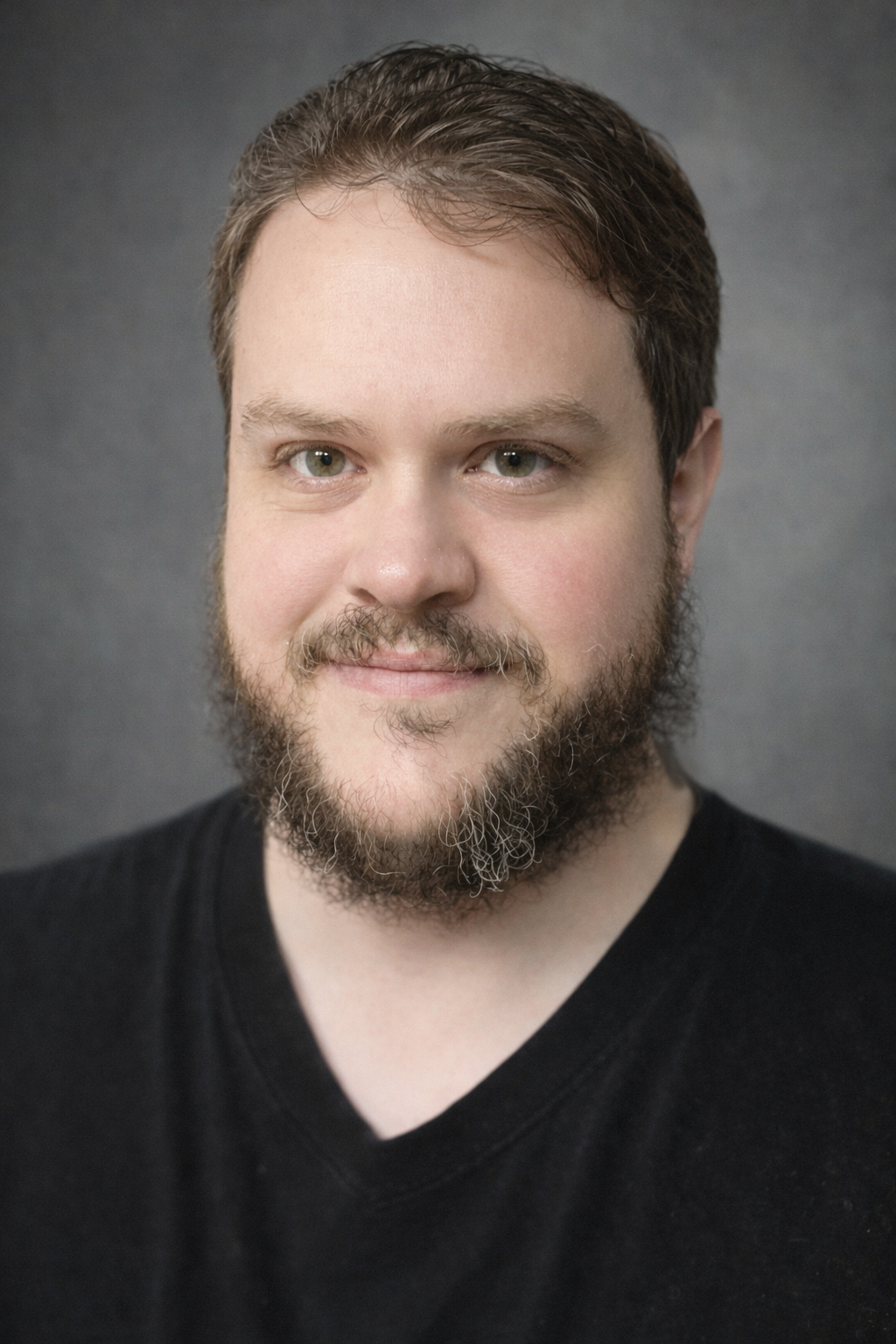
Chris Allen is the founder of Destination Ghost Tours, a historian and storyteller with a lifelong fascination for the darker corners of history. He spends his time uncovering the true stories behind haunted legends, guiding guests through historic cities, and chasing down details that refuse to stay buried. When he is not working, he can usually be found with his partner Arissa, their dog Bear, and their two cats, Trouble and Covu, photographing old places, digging through archives, or disappearing into historical rabbit holes. He believes the best history is honest, atmospheric, and just unsettling enough to linger.