
The Phantom Patients of Savannah’s Old Candler Hospital: Where Savannah Ghost Tours Uncover Medical Horrors
The antiseptic smell should have faded decades ago. Yet visitors to Savannah’s Old Candler Hospital often report catching whiffs of carbolic acid and ether drifting through corridors that no longer echo with the footsteps of living patients. Built in 1804 as the Savannah Poor House and Hospital, this imposing brick structure witnessed more than two centuries of human suffering, medical breakthroughs, and tragic losses. Today, Savannah Ghost Tours guide visitors through the complex history of a building where the boundary between life and death was crossed so frequently that some souls, it seems, never found their way back.
The building’s weathered facade on Drayton Street tells only part of its story. Behind those windows, thousands of patients drew their final breaths during an era when medicine was as likely to harm as heal. Yellow fever epidemics. Civil War amputations performed without anesthesia. Experimental treatments that bordered on torture. Each tragedy left its mark not just in the historical record, but in the very atmosphere of the place itself.
What transforms Old Candler from merely a historic medical facility into one of Savannah’s most compelling paranormal sites isn’t sensationalism—it’s the weight of documented human experience layered like sediment across two centuries.
From Poorhouse to Hospital: The Foundation of Suffering
The story begins with Savannah’s earliest attempts at organized charity. In 1804, the city established the Poor House and Hospital on a plot of land that would later become synonymous with both healing and haunting. The original mission was noble: provide care for Savannah’s most vulnerable residents, including the elderly, mentally ill, and destitute sick.
But good intentions couldn’t overcome the harsh realities of early 19th-century medicine. The mortality rate was staggering. City records from the 1820s show that more patients died within these walls than recovered. Overcrowding was constant. Sanitation was primitive. The boundary between the poorhouse and the morgue often seemed arbitrary.
The Yellow Fever Years
Nothing tested the hospital’s limits like the recurring yellow fever epidemics that swept through Savannah throughout the 1800s. The 1854 outbreak alone killed over 1,000 residents—nearly ten percent of the city’s population. The hospital overflowed with victims suffering from the disease’s characteristic symptoms: high fever, jaundice, and the dreaded black vomit that signaled approaching death.
Dr. Richard Arnold, Savannah’s prominent physician and later mayor, documented the hospital conditions during these epidemics. His letters describe corridors lined with makeshift beds, patients dying faster than bodies could be removed, and staff working in shifts around the clock in a desperate attempt to maintain basic care. The smell of death, Arnold wrote, “permeated every corner of the building, seeping into the very mortar between the bricks.”
Many of the fever victims were recent immigrants with no family in Savannah to claim their remains. They were buried in unmarked graves in the hospital’s small cemetery, their names recorded only in ledgers that time and humidity would eventually render illegible.
Civil War Horrors: When Savannah Ghost Tours Explore Medical Battlegrounds
The Civil War transformed the Poor House and Hospital into something approaching a medical battlefield. When General Sherman’s forces approached Savannah in 1864, the hospital prepared for an influx of wounded soldiers from both armies. What followed were some of the most harrowing chapters in the building’s history.
Surgery Without Mercy
Confederate surgeon Dr. Joseph Jones, who worked at the hospital during the war, kept detailed records of the procedures performed there. His surgical notes, preserved in the Georgia Historical Society archives, read like a catalog of medical horrors. Amputations were performed with handsaws. Anesthesia, when available at all, consisted of whiskey and leather straps for patients to bite. Infections were treated with treatments that often proved more deadly than the original wounds.
The hospital’s basement served as both morgue and surgical theater. Bodies awaiting burial were stacked in the same rooms where operations took place on living patients. The psychological trauma on both patients and staff was immense. Dr. Jones recorded that several nurses suffered what would now be recognized as severe post-traumatic stress, reporting nightmares and waking visions of deceased patients calling for help.
The Fever Ward
Beyond battlefield injuries, the hospital continued treating civilian cases throughout the war. The third floor housed the fever ward, where patients with typhoid, smallpox, and other infectious diseases were isolated. Mortality rates on this floor exceeded seventy percent. Families were forbidden from visiting, meaning most patients died alone, calling out names that no one recognized.
Hospital records from this period, maintained by head nurse Eleanor Pritchard, document the heartbreaking routine: patients would be admitted, assigned a bed number, and within days, that same number would appear on the death rolls. Pritchard’s diary, donated to the Savannah History Museum by her descendants, contains increasingly brief entries as the war progressed: “Bed 7 – typhoid – deceased.” “Bed 12 – fever – deceased.” “Bed 18 – unknown illness – deceased, no family.”
The Candler Era: Modern Medicine, Ancient Ghosts
In 1930, the facility was renamed Candler Hospital in honor of Coca-Cola magnate Asa Griggs Candler’s substantial donation to modernize the facility. New equipment arrived. Standards improved. The death rate dropped significantly. Yet the building’s past refused to stay buried.
Staff Experiences in the Modern Era
Dr. Margaret Flemming, who served as chief of staff from 1935 to 1960, documented numerous unexplained incidents in her administrative files. Nurses reported hearing calls for help from empty rooms. Elevators would stop on the third floor without being summoned, doors opening to reveal empty corridors. Equipment would malfunction in ways that defied explanation—heart monitors would flatline in rooms with no patients, then resume normal function when investigated.
The most frequently reported phenomenon involved patient call buttons. Night staff would respond to call lights only to find rooms empty, the buttons pushed from the inside of rooms that had been locked. Security cameras, installed in the 1970s, recorded call buttons depressing with no visible cause.
The Night Shift Stories
Oral histories collected by the Georgia Paranormal Society in the 1990s preserve dozens of accounts from hospital workers spanning several decades. Night shift nurse Patricia Williams, who worked at Candler from 1952 to 1978, described hearing conversations in languages she couldn’t identify coming from the former fever ward, long after it had been converted to storage.
“You’d hear voices—sometimes English, sometimes what sounded like German or Irish,” Williams recalled in a 1995 interview. “Always weak voices, like people calling from very far away. But when you’d go to check, there’d be nobody there. Just cold spots and the smell of carbolic acid.”
Security guard James Morrison worked the graveyard shift at Candler for over twenty years. His incident reports, filed with hospital administration, document a pattern of unexplained occurrences: doors found open that had been secured, patient gowns discovered neatly folded in rooms that hadn’t housed patients in decades, and the persistent sound of wheels rolling across floors—like gurneys being moved through hallways in the dead of night.
Phantom Patients: The Spirits That Savannah Ghost Tours Encounter
The term “phantom patients” emerged from the consistent nature of supernatural encounters reported at Old Candler. Unlike the stereotypical ghost stories that plague many historic buildings, the phenomena here maintains an eerie consistency with the hospital’s medical history.
The Woman in White
The most frequently reported apparition is a woman in a white hospital gown, spotted primarily on the third floor where the fever ward once operated. Witnesses describe her as middle-aged, with dark hair and an expression of profound sadness. She appears to be searching for something—or someone.
Dr. Robert Chen, who worked at Candler in the 1980s, documented several encounters with this figure in his personal journal. “She appeared at the end of the corridor, clear as any living person,” he wrote after one incident. “When I approached, she turned and walked toward room 318. I followed, but the room was empty. The temperature had dropped at least twenty degrees, and there was a smell like old medicine—not unpleasant, just… ancient.”
Room 318 holds particular significance in hospital records. It was the isolation room where patients with the most contagious diseases spent their final days. A review of death certificates from the 1850s through 1920s shows that over 200 people died in that specific room.
The Surgeon’s Shadow
Multiple witnesses have reported seeing a tall figure in what appears to be a period surgical coat moving through the basement areas where operations once took place. Unlike other apparitions, this figure seems purposeful, moving with the deliberate pace of someone making medical rounds.
Maintenance worker Carlos Rodriguez encountered this presence multiple times during renovations in the 1990s. “He’d be there when I’d come around a corner,” Rodriguez told local historians. “Tall guy, looked like he was wearing an old-fashioned doctor’s coat. He’d nod, like he was acknowledging me, then disappear. Never scared me, honestly. Seemed like he was just checking on things.”
Historical research suggests this could be Dr. Richard Arnold, the physician who documented so many of the yellow fever cases. Arnold was known for his dedication to his patients, often sleeping at the hospital during epidemics. He died in 1876 and was buried in Laurel Grove Cemetery, but his commitment to the hospital’s patients was legendary among Savannah’s medical community.
The Science Behind the Supernatural
Modern paranormal investigators have documented numerous anomalies at Old Candler that resist easy explanation. Electromagnetic field fluctuations occur regularly throughout the building, particularly in areas that correspond to former patient rooms. Temperature variations of up to fifteen degrees have been recorded in specific locations with no apparent environmental cause.
Audio Phenomena
Digital voice recorders have captured sounds that seem to echo the building’s medical past. Electronic voice phenomena (EVP) recordings made by serious researchers include what appears to be medical equipment sounds—the whoosh of old-fashioned ventilators, the squeak of gurney wheels, and faint voices calling for “nurse” or “doctor” in accents consistent with the hospital’s historical patient population.
The Georgia Paranormal Research Society conducted a comprehensive investigation in 2018, using equipment that measured infrasound, electromagnetic fields, and temperature variations. Their findings, published in the Journal of Paranormal Research, documented consistent anomalies that correlated with areas of highest historical trauma within the building.
Respectful Remembrance: How Savannah Ghost Walk Experiences Honor the Past
What makes Old Candler’s supernatural reputation compelling isn’t sensationalism—it’s the way these phenomena seem to reflect the genuine human experiences that occurred within these walls. The reported apparitions aren’t monsters or demons, but echoes of people who suffered, hoped, and ultimately died in this place.
The Continuing Legacy
Though Candler Hospital moved to a modern facility in 1980, the Old Candler building continues to serve the community. Portions have been converted into medical offices and administrative spaces. Staff members still report unexplained experiences, but they speak of them with respect rather than fear.
“This building has seen so much human experience,” says Dr. Maria Santos, whose practice operates from the renovated first floor. “If there are spirits here, they’re the spirits of people who were seeking healing, seeking help. That’s not frightening—it’s humbling.”
The building stands as a testament to both the progress of medical science and the unchanging nature of human compassion. The phantom patients, if they exist, represent not horror but the enduring connection between those who suffered and those who cared for them.
Experience the Legacy: Savannah Ghost Tours at Old Candler
Walking past Old Candler Hospital today, you might notice how the building seems to hold itself apart from the bustling life of modern Savannah. The brick facade, weathered by decades of coastal humidity, bears silent witness to stories that span centuries. Each window once framed scenes of human drama—recoveries celebrated, losses mourned, and final moments witnessed by strangers who became temporary family to the dying.
The phantom patients of Old Candler represent something more profound than simple ghost stories. They embody the weight of history itself—the accumulated experiences of thousands of individuals who passed through these halls during their most vulnerable moments. Their continued presence, whether literal or metaphorical, reminds us that places can hold memory, that suffering and compassion leave traces that transcend our understanding of time and mortality.
For those drawn to explore Savannah’s most compelling paranormal histories, Old Candler Hospital offers a unique window into the intersection of medical history and unexplained phenomena. The stories here aren’t embellished for effect—they emerge from documented experiences, historical records, and the testimonies of credible witnesses spanning multiple generations.
Destination Ghost invites you to discover these stories firsthand through our carefully researched Savannah Ghost Tours. Our Spirits & Scoundrels Ghost Tour explores Old Candler’s haunted legacy alongside other sites where Savannah’s past refuses to rest quietly. For those seeking a different kind of supernatural experience, our Haunted Hops Pub Tour weaves together paranormal history with visits to establishments that carry their own ghostly traditions. Both experiences honor the real people behind the legends while providing authentic encounters with Savannah’s most compelling mysteries.
The phantom patients of Old Candler Hospital await your visit—not as entertainment, but as a profound reminder that some stories transcend death itself. Join us to walk where history and mystery converge, where Savannah Ghost Tours reveal the city’s deepest secrets with the respect and authenticity they deserve.
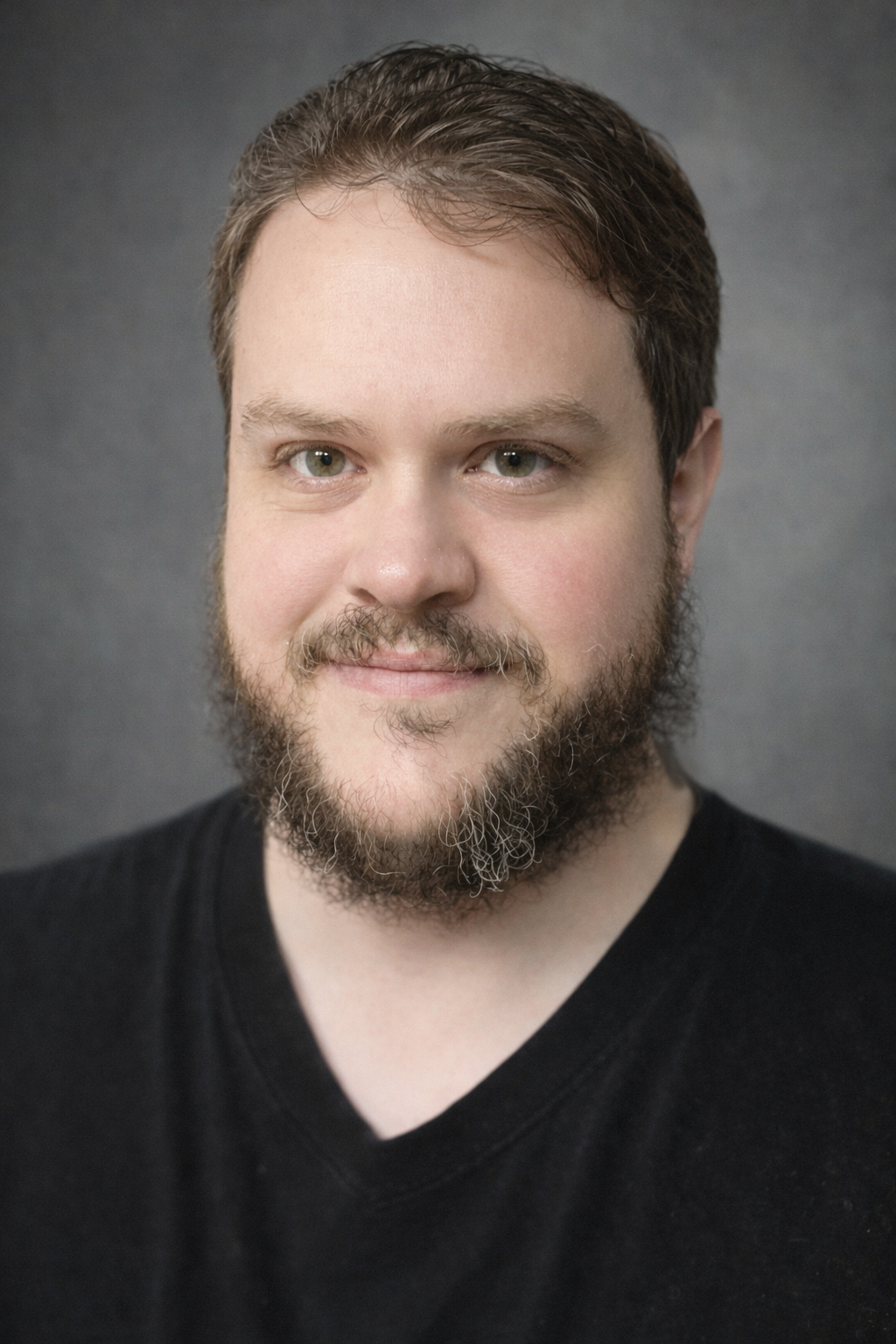
Chris Allen is the founder of Destination Ghost Tours, a historian and storyteller with a lifelong fascination for the darker corners of history. He spends his time uncovering the true stories behind haunted legends, guiding guests through historic cities, and chasing down details that refuse to stay buried. When he is not working, he can usually be found with his partner Arissa, their dog Bear, and their two cats, Trouble and Covu, photographing old places, digging through archives, or disappearing into historical rabbit holes. He believes the best history is honest, atmospheric, and just unsettling enough to linger.