
The Restless Spirits of Castillo de San Marcos: Where Seminole Warriors’ Tragic End Still Echoes on St. Augustine Ghost Tours
The Atlantic wind carries more than salt spray across the ramparts of Castillo de San Marcos. On certain nights, when the moon illuminates the ancient coquina walls and shadows pool in the fortress’s corners, visitors report hearing sounds that seem to emerge from the stone itself. Low chanting. Mournful songs in a language few recognize. The shuffle of feet in chains that no longer exist.
These are the echoes of one of America’s most shameful chapters—a story that transforms routine St. Augustine Ghost Tours into profound encounters with injustice that time cannot heal. Within these walls, where Spanish conquistadors once planned expeditions and British soldiers later stood watch, dozens of Seminole and Plains Indian warriors met their deaths far from the lands they had fought to protect.
The fortress that dominates St. Augustine’s bayfront holds many secrets. But none weigh more heavily on the city’s collective memory than the prison years, when what Americans renamed Fort Marion became a tomb for indigenous souls who never stopped longing for home.
From Spanish Stronghold to American Prison
Construction began on Castillo de San Marcos in 1672, when Spanish engineers carved coquina limestone from nearby Anastasia Island to create an impregnable fortress. For nearly two centuries, the castle served its intended purpose—protecting Spanish interests in the New World from English raiders and pirates. The thick walls absorbed cannon fire. The star-shaped bastions provided perfect fields of fire against approaching enemies.
But when the United States acquired Florida from Spain in 1821, military officials saw different possibilities in the ancient stronghold. The same features that made it an excellent fortress—isolation from the mainland, thick walls, easily controlled entrances—made it an ideal prison.
The American military renamed it Fort Marion in honor of Revolutionary War general Francis Marion. By the 1870s, as the United States pursued its final campaigns against unconquered Native American nations, officials decided the remote Florida fortress would serve as the perfect place to hold captured warriors far from their homelands.
The Seminole Wars’ Bitter Legacy
The Seminole people had already endured decades of warfare defending their Florida territories. Three separate conflicts—the First Seminole War (1817-1818), Second Seminole War (1835-1842), and Third Seminole War (1855-1858)—had devastated their communities. Many had been forced west on the Trail of Tears. Others retreated deep into the Everglades, where they continued to resist American expansion.
By the 1870s, military officials believed they could break Native American resistance not just through warfare, but through a radical experiment in forced assimilation. Captured warriors and their families would be transported to Fort Marion, far from everything familiar, and subjected to intensive programs designed to strip away their cultural identities.
The Arrival of the Prisoners
On May 21, 1875, the steamship Indianola arrived in St. Augustine harbor carrying its human cargo. Seventy-four Plains Indians—Cheyenne, Kiowa, Comanche, and Arapaho warriors captured during the Red River War—stepped onto the ancient city’s docks in shackles. Local residents gathered to stare at men whose names had appeared in newspaper accounts of battles across the western territories.
Among the prisoners walked warriors who had fought alongside legendary chiefs. Some had been present at the Battle of Adobe Walls. Others had participated in raids that had terrorized frontier settlements. Now they shuffled across St. Augustine’s narrow streets toward the Spanish fortress that would become their world.
Captain Richard Henry Pratt, the officer assigned to oversee their imprisonment, had developed specific ideas about how to “civilize” his charges. His philosophy, later summarized as “kill the Indian, save the man,” would transform Fort Marion into a laboratory for cultural destruction.
Life Behind Coquina Walls
The warriors were housed in the fortress’s casemates—dark, humid chambers originally designed to store gunpowder and supplies. These rooms, carved from coquina and reinforced with brick, had no windows. Air circulation was minimal. During Florida’s brutal summers, temperatures inside could reach unbearable levels.
Each morning began with military-style formations in the fortress courtyard. The prisoners were forced to march in step, respond to commands in English, and perform manual labor around the fort. Their long hair was cut short. Traditional clothing was replaced with military uniforms. Speaking Native languages was forbidden.
Pratt arranged for local volunteers to provide English lessons and Christian religious instruction. The warriors were expected to abandon their spiritual beliefs and adopt European-American customs. Those who resisted faced punishment in the fortress’s cramped guard house—a stone chamber so small that a grown man could barely stand upright.
Deaths in Captivity
The fortress that had successfully repelled Spanish enemies for centuries proved less effective at protecting human health. Florida’s humid climate, combined with inadequate nutrition and the psychological trauma of forced separation from family and homeland, began taking its toll on the prisoners almost immediately.
Lean Bear, a respected Cheyenne leader, was among the first to succumb. His death on November 8, 1875, came after months of declining health that military doctors attributed to tuberculosis—a disease that would claim many more prisoners before their ordeal ended. The warrior who had once hunted buffalo across the Great Plains died in a stone room barely large enough for a man to lie down.
Making Trouble, a young Kiowa warrior, died the following February. Then came Squint Eyes, a Cheyenne fighter who had survived multiple battles only to waste away behind Spanish walls. By the time the surviving prisoners were transferred to other facilities in 1878, eleven men had died at Fort Marion.
Burials Far From Home
Military records indicate that the deceased warriors were initially buried in St. Augustine’s Catholic cemetery, though the exact locations of their graves became lost over time. For men whose spiritual traditions demanded specific burial rites and connection to ancestral lands, this final separation from everything sacred represented the ultimate tragedy.
Their families, scattered across western reservations or hiding in remote wilderness areas, had no way of knowing when or where their loved ones died. No traditional mourning ceremonies were possible. No proper farewells were spoken. The warriors simply vanished into the silence of official reports and military correspondence.
Haunted St. Augustine: Echoes of Injustice
Modern visitors to Castillo de San Marcos often report experiences that seem to connect them with this tragic chapter of American history. Park rangers, maintenance workers, and tourists have described hearing Native American chanting emanating from empty casemates. Others report seeing shadowy figures walking the ramparts during evening hours when the fortress should be empty.
These accounts began appearing in local folklore almost immediately after the prisoners were transferred away from St. Augustine. Early twentieth-century residents sometimes spoke of hearing drums beating inside the fortress walls during quiet nights. Others described catching glimpses of men in traditional Native dress standing on the battlements, only to find no one there upon closer inspection.
The Casemate Phenomena
The fortress’s casemates—those dark, humid chambers where the warriors were housed—generate the most consistent paranormal reports on St. Augustine ghost tours. Visitors describe sudden temperature drops in rooms that should be sweltering during Florida summers. Others report feeling watched by unseen presences or hearing whispered conversations in languages they cannot identify.
One particularly persistent account involves the sound of chains dragging across stone floors in casemates that have been empty for decades. Park service employees have investigated these reports multiple times, finding no logical explanation for sounds that multiple witnesses have described in nearly identical terms.
The psychological weight of what occurred in these spaces may contribute to the intensity of these experiences. Standing in chambers where men died slowly of disease and despair, far from everything that gave their lives meaning, tends to affect visitors profoundly even without any paranormal elements.
Understanding the Historical Context
The imprisonment of Native American warriors at Fort Marion occurred during a specific moment in American history when military officials believed they could solve the “Indian problem” through forced assimilation rather than continued warfare. This approach, while perhaps intended as more humane than outright extermination, proved devastating to men whose entire identities were rooted in connection to specific landscapes and traditional ways of life.
The warriors held at the fortress were not random captives. They were carefully selected leaders, spiritual figures, and influential members of their communities. Military officials understood that breaking these men psychologically would demoralize entire nations and facilitate the conquest of remaining free Native peoples.
The Broader Pattern of Cultural Destruction
What happened at Fort Marion was part of a systematic campaign to eliminate Native American cultures that extended far beyond this single fortress. The same period saw the establishment of Indian boarding schools designed to separate children from their families and traditions. Buffalo herds that sustained Plains peoples were hunted to near-extinction. Sacred sites were desecrated or claimed for commercial development.
Understanding this broader context helps explain why the spirits allegedly haunting Castillo de San Marcos might remain restless. The injustices these men experienced were not isolated tragedies but part of a deliberate effort to erase entire ways of life from North America.
Modern Recognition and Remembrance
Today, the National Park Service acknowledges the fortress’s role as a Native American prison through interpretive displays and educational programs. Visitors can learn about the imprisonment of the Plains Indians warriors and the devastating effects of forced assimilation policies on indigenous communities.
The Castillo de San Marcos National Monument includes exhibits that honor the memories of the men who died in captivity, though their names and specific stories remain largely lost to history. Park rangers work to present this difficult chapter of American history with the respect and gravity it deserves.
Ongoing Archaeological Investigations
Archaeological research continues to uncover new details about the prisoners’ daily lives at Fort Marion. Excavations have revealed artifacts that illuminate how the warriors adapted to their captivity while attempting to maintain elements of their cultural identities despite official prohibition.
These discoveries help modern Americans understand that the men imprisoned at the fortress were not passive victims but individuals who found ways to resist cultural destruction even under the most difficult circumstances. Small acts of defiance—secret ceremonies, hidden traditional objects, covert communication in Native languages—represented profound courage in the face of systematic oppression.
The Persistence of Memory
Whether one believes in paranormal phenomena or not, the persistence of ghost stories surrounding Castillo de San Marcos speaks to the power of unresolved historical trauma. The fortress holds space for memories that official history sometimes struggles to accommodate—the voices of people who suffered and died far from home, whose stories were not preserved in the dominant culture’s records.
Ghost tours St. Augustine Florida often include the fortress precisely because it represents this intersection between documented history and lingering questions about justice, memory, and reconciliation. Walking through the casemates where Native American warriors were imprisoned forces visitors to confront uncomfortable truths about American expansion and the cost of building a continental nation.
Lessons for Contemporary Visitors
The haunted St. Augustine tours that include Castillo de San Marcos offer more than supernatural entertainment. They provide opportunities for meaningful reflection on how historical injustices continue to shape American society and what responsibilities contemporary citizens bear for understanding and addressing this legacy.
Standing in the fortress courtyard where Seminole and Plains Indians warriors were forced to abandon their identities, modern visitors might consider how the effects of cultural destruction ripple through generations. The trauma experienced by individuals imprisoned at Fort Marion affected their children, grandchildren, and entire communities for decades after their release or death.
Voices from the Stone
The coquina walls of Castillo de San Marcos have witnessed more than four centuries of human drama. Spanish soldiers prepared for battle in these corridors. British officers planned raids against American settlements. Confederate forces briefly occupied these ramparts during the Civil War. But no period in the fortress’s history carries the emotional weight of the prison years, when men died slowly in captivity, dreaming of landscapes they would never see again.
Tour guides who regularly lead groups through the fortress often describe feeling the weight of this history in physical ways. The casemates seem to hold silence differently than other historic spaces. The air feels heavier. Voices echo strangely off walls that absorbed centuries of human suffering.
These subjective experiences, whether attributed to paranormal activity or psychological response to tragic history, remind visitors that the past is not safely contained in textbooks and museum displays. It lives in the stones beneath our feet and the stories we choose to remember or forget.
The Continuing Journey
The warriors who died at Fort Marion were far from home when they took their final breaths. Their spirits, if they linger in the ancient fortress, remain separated from the sacred places where their earthly journey should have ended. This displacement—physical, spiritual, and cultural—may explain why so many visitors sense unrest within the castle walls.
For contemporary Native American visitors, touring the fortress can be particularly powerful. Descendents of the imprisoned warriors sometimes make pilgrimages to St. Augustine to honor ancestors who suffered and died in captivity. These visits bring full circle the story of resistance, survival, and remembrance that began with the first imprisonments in 1875.
The convergence of documented history and persistent folklore at Castillo de San Marcos creates space for encounters with the past that transcend typical tourist experiences. Whether visitors come seeking ghosts or simply trying to understand American history more completely, the fortress demands recognition of truths that extend far beyond its coquina walls.
When darkness settles over St. Augustine and the last tour groups depart from the fortress, the ancient walls return to silence. But it is not empty silence. It carries the weight of memories that refuse to fade, stories that demand telling, and spirits—literal or metaphorical—that will not rest until justice and recognition finally meet.
The restless spirits of Castillo de San Marcos remind us that some histories are too important to forget, too painful to ignore, and too powerful to dismiss as mere folklore. In the intersection between documented tragedy and enduring legend, we find opportunities for understanding, reflection, and perhaps even healing that transcends the boundaries between past and present, life and death, oppressor and oppressed.
Walking through America’s oldest city on a moonlit evening, when shadows lengthen across ancient streets and the fortress looms dark against the stars, visitors might pause to listen for voices that official records never captured. In those moments, St. Augustine’s haunted history becomes not just entertainment but invitation—to remember, to learn, and to carry forward stories that might otherwise vanish into the silence of forgotten stone.
If these shadows and stories call to you, join us on a Destination Ghost tour through haunted St. Augustine where the past refuses to remain buried and every cobblestone holds memories of those who walked here before us. In the company of knowledgeable guides who treat history with the reverence it deserves, you’ll discover that the most powerful ghost stories are often the truest ones—tales of real people whose struggles and sacrifices continue to echo through the ancient city they never chose to call home.
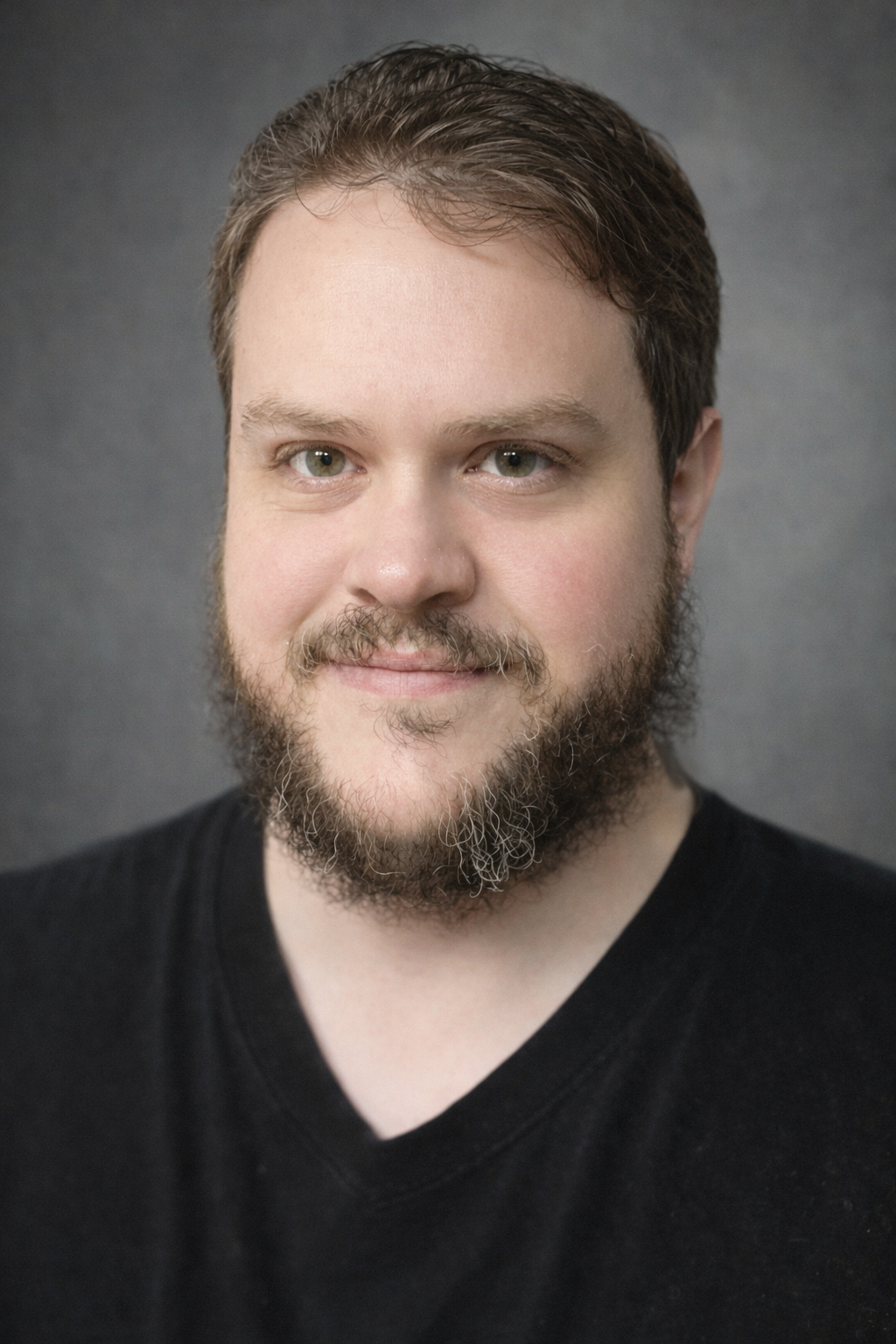
Chris Allen is the founder of Destination Ghost Tours, a historian and storyteller with a lifelong fascination for the darker corners of history. He spends his time uncovering the true stories behind haunted legends, guiding guests through historic cities, and chasing down details that refuse to stay buried. When he is not working, he can usually be found with his partner Arissa, their dog Bear, and their two cats, Trouble and Covu, photographing old places, digging through archives, or disappearing into historical rabbit holes. He believes the best history is honest, atmospheric, and just unsettling enough to linger.